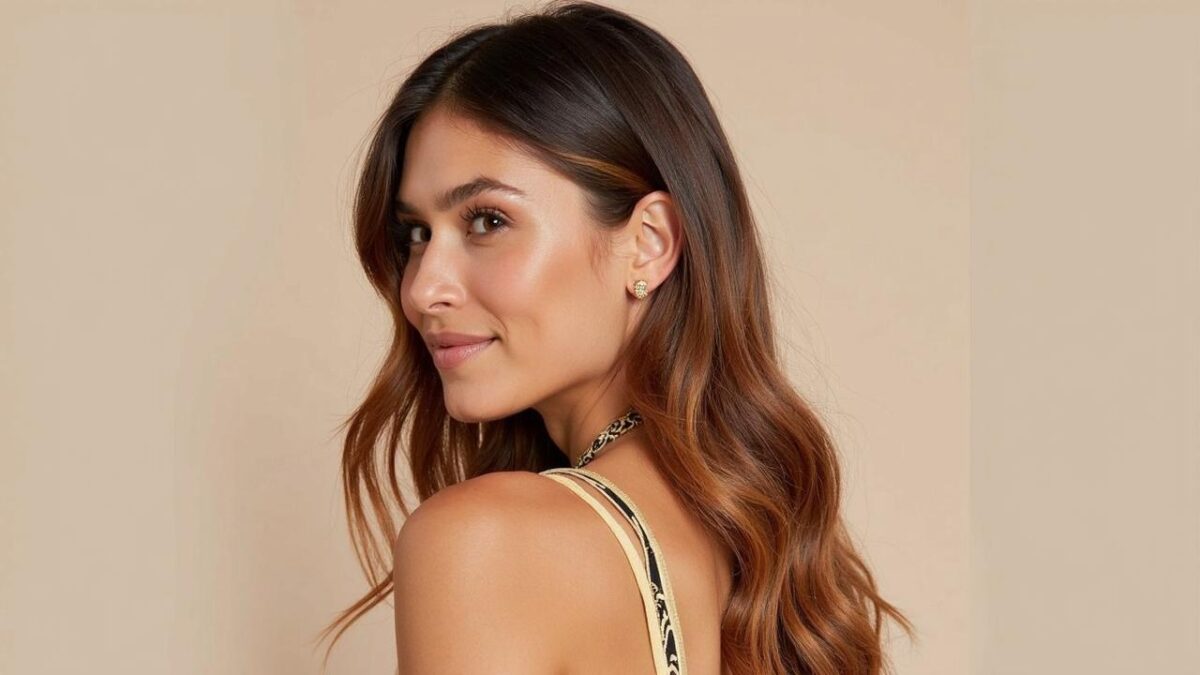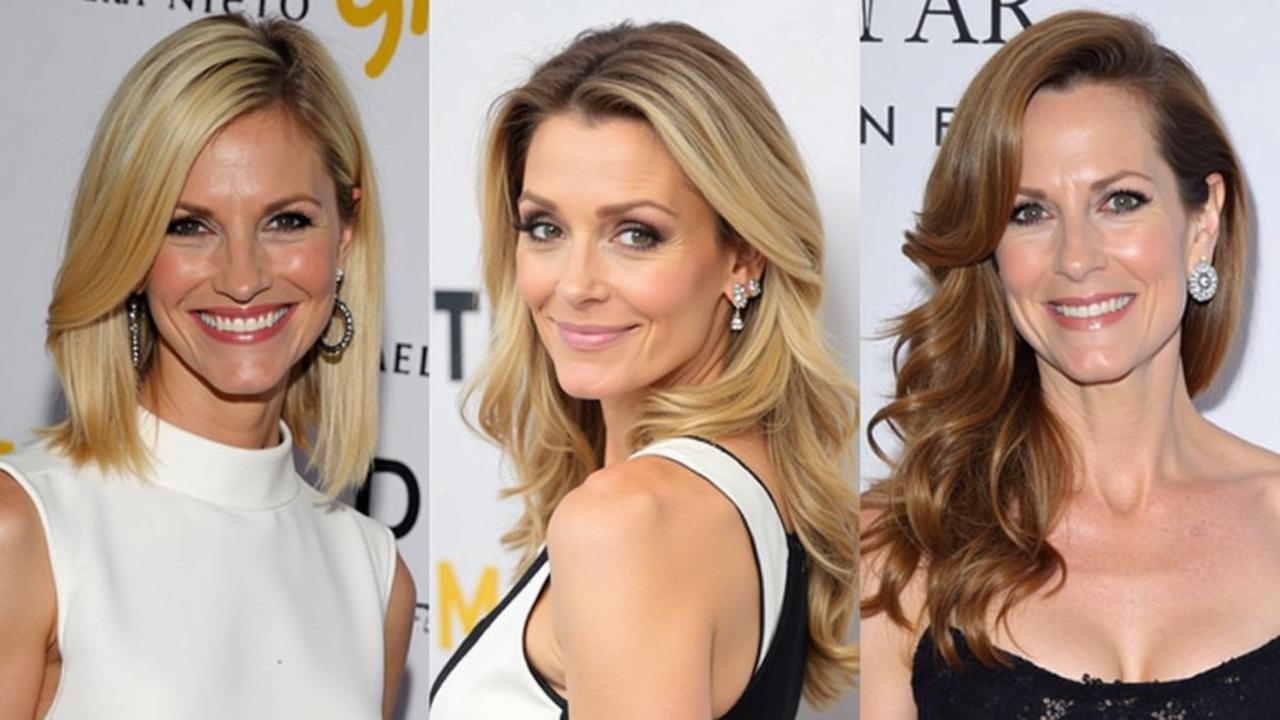
The woman in the salon chair had that look so many of us know after 50: phone in hand, zooming into photos, pulling at her jawline in the mirror. “I swear my face has dropped in the last two years,” she told the hairdresser, half joking, half worried. The stylist didn’t flinch. She lifted a section of hair around the cheekbone, trimmed a few strands, ruffled the crown. Suddenly the woman’s reflection changed. Same skin, same features, but the whole face looked lighter, almost lifted. She stared at herself, surprised. “Why does this feel like I’ve just had a mini facelift?” she laughed.
Sometimes, the real “lifting” effect starts with scissors, not skincare.
The secret of “lifting” haircuts after 50: volume in the right place
Walk into any busy salon on a Saturday and you’ll notice something: women over 50 aren’t asking for “something short” anymore. They’re asking for light, movement, and a face that looks less tired. Hairstylists even have a phrase for it now: **“anti-gravity cuts”**. The goal isn’t to hide age, but to reposition the eye. When height and softness sit at the crown and near the cheekbones, our features instantly look less dragged down. When the weight of the hair sits low, around the jaw and neck, everything seems to pull south.
Change the architecture of the haircut and the whole face reads differently.
A Paris stylist told me about a client, 62, who arrived with long, heavy hair pulled into the same low ponytail every day. “I feel like my face is melting,” she admitted. The lengths ended right at her jaw, framing and emphasizing the softening along her jowls. The stylist suggested a shoulder-grazing cut with soft layers and discreet volume at the roots. Nothing dramatic, no radical chop. Just a gentle lift at the crown and shorter strands around the face. When they dried it round-brushed, flipping the ends very slightly outwards, her jawline looked sharper. Her smile looked wider. She took a selfie next to her “before” picture and gasped. “I look like I slept for a week,” she whispered.
Same woman. Different geometry.
That’s the real logic behind “lifting” hairstyles after 50. A good cut shifts weight upward, away from the jawline and neck. Hair that angles up and away from the face creates diagonal lines that visually counter gravity. Heavy, blunt lines that sit too low can drag features down. *Our brains read shapes and lines before they even register details like wrinkles.* Experts say this is why three cuts in particular are game-changers after 50: the layered cheekbone bob, the soft layered midi, and the airy pixie with volume on top. Each one plays with lift, lightness, and direction to quietly cheat the years.
3 expert-approved “lifting” haircuts that cheat 10 years off your face
The first champion in the lifting category: the layered cheekbone bob. Unlike the classic, very blunt bob that cuts straight across the face, this version is slightly layered and usually hits between the lips and the top of the shoulders. The key is subtle graduation around the face. The front strands follow the natural line of your cheekbones instead of hugging your jaw. That way, the eye is guided upwards, not downwards. Many colorists like to add a few lighter strands around the face to boost the lifting illusion. On grey or silver hair, this bob looks especially striking because the movement catches the light and softens features.
The second star is the soft layered midi, usually around collarbone length. It’s the perfect compromise for women who don’t want to go short but feel that very long hair is weighing them down. Picture a cut that skims the shoulders with long, airy layers that start around the cheeks or just below. Hair moves when you walk, instead of hanging like a curtain. A 2023 survey by a French salon chain found that women over 50 who switched from long, blunt hair to a layered midi reported feeling “lighter” and “more dynamic” in 80% of cases. Statistically, that’s hardly scientific proof of youth. Emotionally, it says a lot. This is the cut that often leads to comments like, “Did you change something about your makeup? You look rested.”
The third lifting heroine is the airy pixie with height at the crown. Not the stiff, lacquered version, but a soft, piecey pixie with longer layers on top and slightly shorter sides. Think of it as sculpting instant cheekbones with hair. When the top is lifted and textured, your eye reads an upward V shape instead of a flat surface. Stylists swear by this cut for women with fine hair, because it creates the illusion of density and structure. There’s a technical reason it works so well: **shorter hair has less weight, so it naturally resists gravity more than long, heavy strands**. Paired with a side-swept fringe that grazes the brows, it frames the eyes and subtly hides forehead lines without looking like a helmet.
How to talk to your hairdresser (and what to avoid after 50)
The most effective lifting haircut usually starts with one simple thing you say in the chair: “I want to draw attention to my eyes and cheekbones.” That sentence gives your hairdresser a clear direction. Bring a photo, not of a celebrity’s face, but of the haircut’s shape. Point to where the ends fall. Show where you’d like some volume: crown, sides, fringe. A good stylist will look at your profile, your neck, the way you naturally part your hair, then adjust. Ask them to cut in slight layering around the front, lifting the strands away from the jaw. And if you can, book your appointment in the morning, when both you and your hairdresser are fresher and less rushed.
One of the most common mistakes after 50 is holding on to a haircut from our 30s like a security blanket. We cling to the length, the fringe, the side part we’ve had for years because “that’s what suits me.” Bodies change, faces evolve, hair texture shifts with hormones and medication. A style that once sharpened your features can start to drag everything down. On the flip side, going dramatically short out of frustration can feel like a shock you weren’t ready for. We’ve all been there, that moment when you leave the salon and wonder if you’ve just lost a part of your identity with those 5 centimeters. The gentle path is usually best: evolve, don’t erase.
Celebrity hairstylist Ana Ramos sums it up like this: “After 50, the right haircut doesn’t hide your age, it lifts your expression. You want movement, softness, and lines that go up, not down.”
- Ask for layers that start above the jawline, not below it
- Favor light, textured ends instead of very blunt, heavy lines
- Place volume at the crown and around the temples, not at the nape
- Choose a fringe that opens the face (side-swept or curtain), not one that cuts it in half
- Keep lengths between lip and collarbone for maximum lifting effect if you’re unsure
Beyond scissors: embracing the face you have today
There’s something quietly radical about looking at your reflection after 50 and choosing adjustment instead of battle. A lifting haircut is not a magic eraser; it’s a way of saying: “This is my face now, and I’m going to frame it well.” When the lines of your hair echo the light in your eyes, the soft folds around your mouth suddenly look like what they really are: the map of your life, not a flaw. The right bob, midi, or pixie doesn’t turn back the clock. It resets the balance between who you feel like inside and what the mirror shows on the outside. Let’s be honest: nobody really does this every single day, but even adding a quick root-lift spray or a tiny blow-dry at the crown can keep that lifting effect alive between salon visits. The rest is confidence, and that’s the one style that never ages.
| Key point | Detail | Value for the reader |
|---|---|---|
| Layered cheekbone bob | Ends between lips and shoulders, soft layers following cheekbones | Visually lifts features and draws attention away from jawline |
| Soft layered midi | Collarbone length, airy layers starting around the cheeks | Keeps feminine length while lightening the overall silhouette |
| Airy pixie with volume | Short sides, longer textured top, height at the crown | Creates instant lift and structure, ideal for fine or thinning hair |
FAQ:
- Which haircut really lifts a sagging face after 50?The layered cheekbone bob is often the most flattering: it redirects attention to your eyes and cheekbones while avoiding heavy lines around the jaw.
- Can I keep long hair after 50 and still get a lifting effect?Yes, but go for long layers and movement, and avoid hair that’s all one length ending at the bust, as this can pull your features downward visually.
- Are bangs a good idea after 50?Soft, side-swept or curtain bangs can be very lifting by framing the eyes; thick, straight bangs that cut across the face can look heavy if not carefully tailored.
- How often should I refresh a lifting haircut?Every 6–8 weeks for bobs and pixies, and every 8–10 weeks for a layered midi, so the shape and volume don’t collapse.
- What products enhance the lifting effect of my cut?Light root-lift sprays, volumizing mousses, and a round brush used at the crown are your best allies; avoid heavy oils or waxes near the roots.