The woman in front of the mirror doesn’t look tired, but her hair does.
Outside, the first real spring sun of 2026 hits the windows, turning the street into a pale gold filter. Inside the salon, phones are out, Pinterest boards are open, and every second photo shows the same thing: soft, sun-kissed lengths that look like three weeks in Goa, not three hours in a chair.
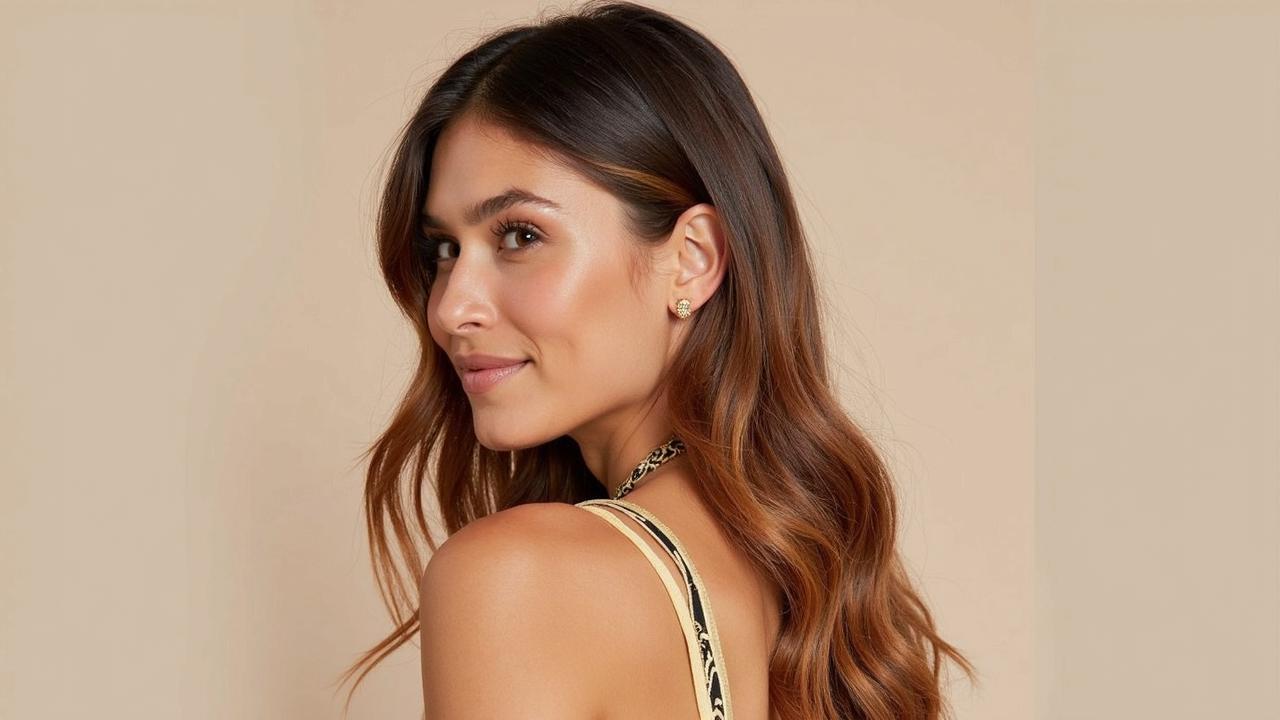
Her colorist scrolls and stops. “This,” she says, pointing at a rich, honeyed balayage labeled “Indian sun.” Not blonde, not brunette, but something warm in between, like skin after a long weekend away.
Someone in the next chair leans in. “What’s that called?”
The answer feels less like a trend name, more like a promise.
Why “Indian sun” balayage suddenly makes sense in 2026
Step into any busy salon right now and you’ll hear the same request said three different ways: “I want glow, not stripes.” “I want lighter, but not blonde.” “I want to look like I just came back from vacation.” That’s exactly where the **Indian sun balayage** lands.
Instead of icy tones, the palette leans toward amber, cinnamon, chai foam, roasted coconut.
On dark bases, it looks like the sun has been quietly working all winter.
On lighter hair, it gives depth where flat beige used to sit.
The result isn’t “wow, new color,” it’s “wow, you look well.”
Colorists describe the trend with almost sensory words. They talk about “tea-stained ends,” “sunset halos,” “golden hour on brown hair.” One Mumbai-based stylist posted a before-and-after on Instagram last month: a client with dull, one-tone black-brown transformed into flowing waves of burnished caramel and soft copper flashes.
The post didn’t just go viral for the hair. The comments were full of people saying things like, “You look like you slept for 10 days” and “You look… rested?” That’s the secret engine behind this trend.
It’s not chasing a fantasy shade.
It’s chasing a believable, healthy-looking glow.
There’s also a generational fatigue with high-maintenance, obvious color.
Pandemic years, economic pressure, remote work: all of that quietly rewired our tolerance for beauty routines that demand constant touch-ups. Indian sun balayage plays against that.
The technique stretches light to mid-lengths, leaving the roots soft, blurred, almost untouched. Regrowth isn’t a crisis, it’s part of the design.
*It’s the kind of color that survives three busy months without screaming for a salon appointment.*
Plain truth? **Most people want hair that still looks good when life gets messy.**
How to ask for “Indian sun” balayage without leaving the salon in tears
Start with a simple move: show, don’t tell.
Screenshots of “Indian sun” looks on hair close to your own base color are worth more than a thousand trend names. Sit down, pull out 3–5 photos, and point to what you like in each: “this warmth at the ends,” “this softer root,” “this not-too-bright tone around the face.”
Then, talk skin. Mention if you tan easily, if you go red first, if gold jewelry looks better than silver on you. Your colorist will translate that into tones: more honey, less copper, more beige, a tiny bit of moka.
The real magic word to use is “sun-melt,” not “highlights.”
Most hair regrets start in the same place: vague words and rushed decisions. Saying “caramel” sounds clear until you realize your “caramel” is their “almost blonde.” We’ve all been there, that moment when the towel comes off and your stomach drops a little.
To dodge that, ask for a strand test or a very small “preview piece” at the nape if you’re nervous. Ask your colorist to explain where the light will start, how strong the contrast will be, and how many levels lighter they plan to go.
And breathe. Color is chemistry, but it’s also collaboration.
If something feels off in the consultation, say it while your hair is still dry.
“Indian sun is not about making everyone lighter,” says Paris-based colorist Ananya Rao. “It’s about giving the illusion that the best light of the day is always hitting your hair, even in a grocery store aisle.”
- Best base colorsNatural dark blonde to deep brown, virgin or softly colored hair reacts best to this lived-in balayage style.
- Key tones to mentionAsk for warm but soft shades: honey, amber, chai, light toffee, muted copper, and avoid anything labeled “ash” if you want a glowy effect.
- Glow-enhancing placementFace-framing strands, mid-length veils, and lighter tips create that “just-back-from-India” light without looking stripey or fake.
Living with your glow: care, fade, and the quiet power of soft color
The most underrated part of the Indian sun trend is how it ages over weeks.
On day one, the hair looks glossy and intentional. By week six, it looks like it just… belongs to you. The warmth softens, the lines blur a little, and that’s exactly when friends start saying, “Something’s different, but I can’t tell what.”
If you want to keep that fresh-yet-lived-in balance, think gentle. Sulfate-free shampoos, lukewarm water, and a weekly moisturizing mask are less about “being good” and more about keeping those warm tones from drying out into brass.
Let’s be honest: nobody really does this every single day.
Aim for consistency, not perfection.
Heat tools are where the glow goes to die.
Repeated high temperature flattens the shine and roughens the cuticle, so the carefully crafted Indian sun tones start catching the light in a harsher way. You don’t have to quit heat, but rotate: air-dry days, low-heat days, a proper heat protectant that you actually spray, not just buy.
Think also about your environment. Spring and summer 2026 are already trending hotter and brighter, with UV levels climbing. A leave-in with UV filter might sound like marketing, yet on warm balayage, it genuinely slows fading and keeps those chai and caramel shades from screaming orange by August.
There’s something subtly empowering about a color that doesn’t fight your roots.
Instead of chasing cooler, lighter, “more blonde,” the Indian sun mood is closer to: “this is my natural base… plus light.” That shift matters.
You might find yourself wearing less makeup because your hair already brings warmth to your face.
You might stop obsessing over the first gray at the temple, because with soft balayage, it blends into the story rather than interrupting it.
The trend has a name, sure.
But what people really respond to is the feeling of walking out into the real sun and having your hair answer, quietly, “I was ready for this.”
| Key point | Detail | Value for the reader |
|---|---|---|
| Ideal color mood | Warm, sun-melt tones (honey, amber, chai, soft copper) on a natural-looking base | Helps you ask precisely for a glow that flatters your skin, not a random “trend blonde” |
| Technique & maintenance | Balayage placed on mid-lengths and ends, soft root, low-stress regrowth over 8–12 weeks | Gives you a luminous result that survives busy months without urgent touch-ups |
| Everyday care | Mild cleansing, weekly moisture, UV and heat protection, reasonable use of styling tools | Keeps the color shiny and healthy-looking, avoiding brassiness and dry, dull strands |
FAQ:
- Is Indian sun balayage only for brunettes?
No. It’s beautiful on dark blondes, brunettes, and even black hair, as long as the lightened pieces stay within a believable, warm range. The darker your base, the more subtle and “from-within” the glow will look.- Will this trend work on very fine hair?
Yes, but placement is key. Ask your colorist for ultra-soft, thin veils of lighter color instead of chunky panels. That avoids transparency and keeps your hair looking fuller rather than streaky.- How often do I need touch-ups?
On average, every 10–14 weeks. Since the roots are soft and not sharply contrasted, you can stretch appointments without feeling “overgrown.” Many people just refresh the gloss and a few face-framing strands mid-season.- Can I do Indian sun balayage at home with a box dye?
You can try, but the risk of patches and uneven warmth is high. This style relies on freehand placement and controlled lift, which are hard to manage alone. If budget is tight, consider a salon session for the initial placement, then maintain the tone at home with glosses.- What should I ask for if I don’t want my hair to look orange?
Say you want warm, not brassy. Ask for “soft golden and chai tones, no neon copper,” and request a finishing toner that balances warmth with a touch of beige. Using a gentle blue-based shampoo every few washes can also keep overly orange tones at bay.